AI video generation has made impressive progress in recent years, yet for a long time one critical element remained underdeveloped: audio.
Most AI video models can generate visually striking clips, but they still rely on separate workflows for sound. Voiceovers, ambient noise, and background music are usually added later, often through external tools. This separation frequently results in videos that look impressive but feel incomplete.
Vidu Q3 represents a meaningful shift in this direction.
Instead of treating sound as a post-production layer, Vidu Q3 introduces native audio generation, where visuals and audio are created together as part of the same generative process. The result is AI video that feels closer to a finished audiovisual scene rather than a silent visual sample.
Today, these capabilities are no longer just conceptual.
Creators can now experience Vidu Q3 generation directly through an interactive workspace, moving from understanding the model to observing real audiovisual results.
👉 Explore the Vidu Q3 generation experience
What Is Vidu Q3?
Vidu Q3 is a next-generation AI video generation model designed to produce video content together with synchronized native audio.
Unlike earlier text-to-video systems that output silent clips, Vidu Q3 is built on the assumption that sound is a fundamental component of video. Its outputs may include:
Ambient and environmental sound
Background atmosphere
Simple dialogue or voice-like audio
Cinematic sound effects
All of these elements are generated within the same process, rather than being added later using separate tools.
From a conceptual perspective, Vidu Q3 can be understood as an audiovisual scene generation model, not just a traditional video asset generator. Its goal is not merely to create motion, but to create mood, continuity, and coherence.
For readers who want an organized place to explore explanations, examples, and updates, the Vidu Q3 content hub provides a structured starting point.
👉 Visit the Vidu Q3 knowledge center
Try Vidu Q3: Generate AI Video with Native Audio
Vidu Q3 is no longer something you only read about.
Through this site, you can now generate AI videos using the Vidu Q3 model, combining visuals and native audio in a single workflow. This allows creators to hear how sound and visuals evolve together, without relying on external post-production tools.
The goal of the generator is simple:
Enable hands-on exploration of audiovisual generation
Make it easy to experiment with cinematic-style outputs
Help users learn through direct observation, not just theory
👉 Access the Vidu Q3 video generator
Why Native Audio Matters in AI Video
In conventional video production, audio plays a crucial role:
It establishes atmosphere
It reinforces emotional tone
It guides pacing and narrative rhythm
Historically, AI video models focused primarily on visuals. While image quality and motion improved rapidly, audio remained external—handled by text-to-speech systems, sound libraries, or manual editing.
Vidu Q3 addresses this gap by bringing audio into the generation stage itself. This change has several important implications:
Sound can be described directly as part of creative intent
Audio and visuals follow a shared internal logic
The final output feels more unified and intentional
This shift changes how AI-generated video is conceptualized—from silent motion toward full audiovisual storytelling.
How Vidu Q3 Differs from Earlier AI Video Models
Although many AI video tools appear similar at first glance, Vidu Q3 differs in several meaningful ways.
Audio and Visuals as a Unified System
Rather than generating visuals first and adding sound later, Vidu Q3 treats both as parts of a single system. This results in scenes where movement, lighting, and sound support the same emotional direction.
Emphasis on Cinematic Continuity
Vidu Q3 places greater emphasis on:
Smooth camera motion
Scene stability
Depth and spatial coherence
Continuous visual flow
These characteristics make its outputs feel closer to cinematic language than isolated visual experiments.
Designed for Mood and Narrative
Instead of optimizing purely for speed or novelty, Vidu Q3 is particularly well-suited for:
Mood-driven visuals
Conceptual short films
Brand storytelling
Atmospheric scenes
This focus makes it attractive to creators interested in tone and narrative rather than purely technical output.
What Can Be Created with Vidu Q3?
Based on observed examples and real usage through the generator, Vidu Q3 is commonly explored for the following content types.
Visual Storytelling and Concept Shorts
Creators can generate short scenes that suggest narrative, emotion, or world-building, even without explicit dialogue.
Creative and Brand Exploration
Vidu Q3 is often used to explore abstract concepts, brand mood, or visual identity rather than direct product demonstrations.
Audio-Aware Short-Form Content
Because sound is generated alongside visuals, the model aligns well with platforms where audio plays a central role in engagement.
👉 Experiment with creative formats using the Vidu Q3 generator
Visual Style Examples (Illustrative)
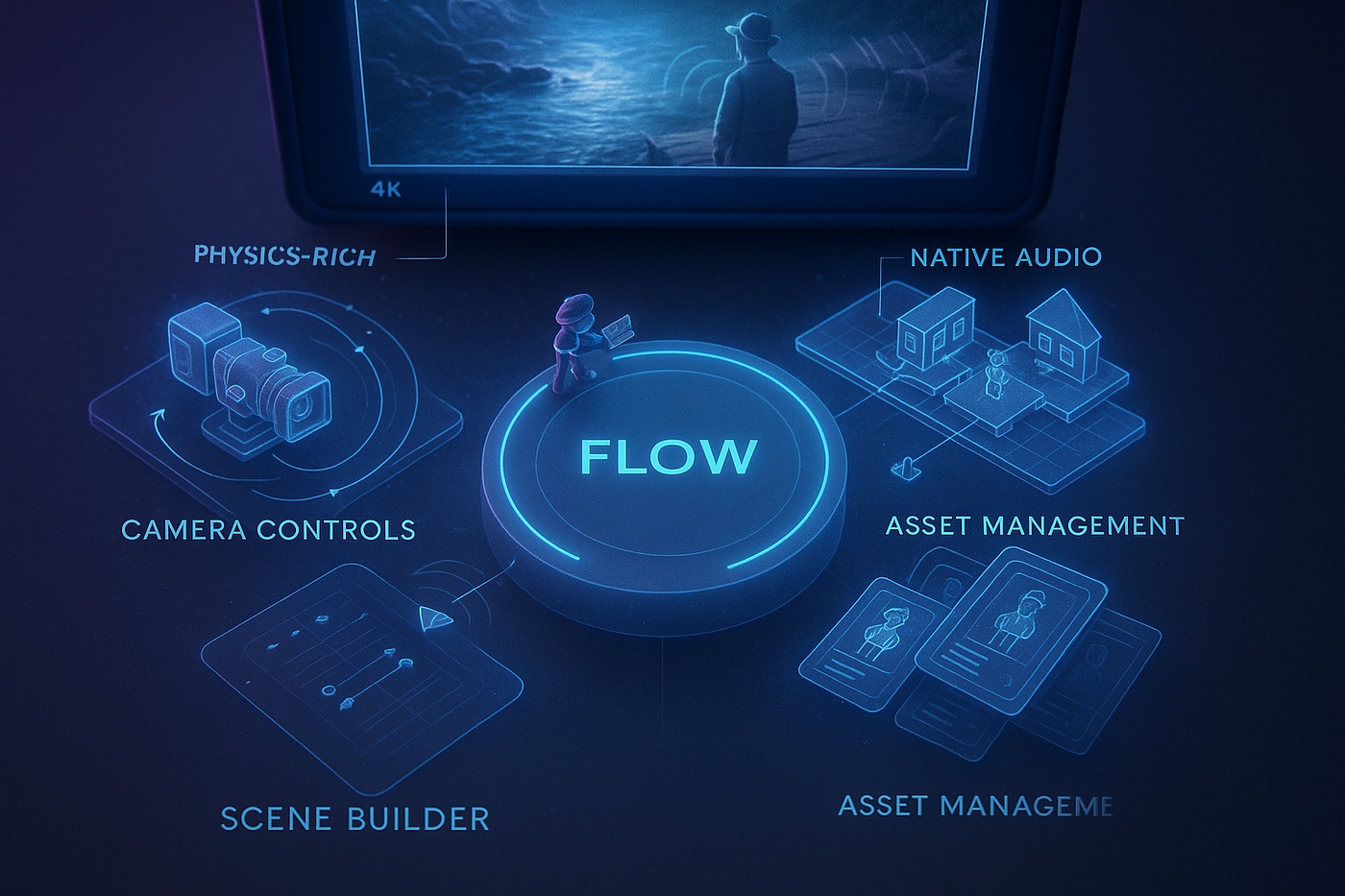

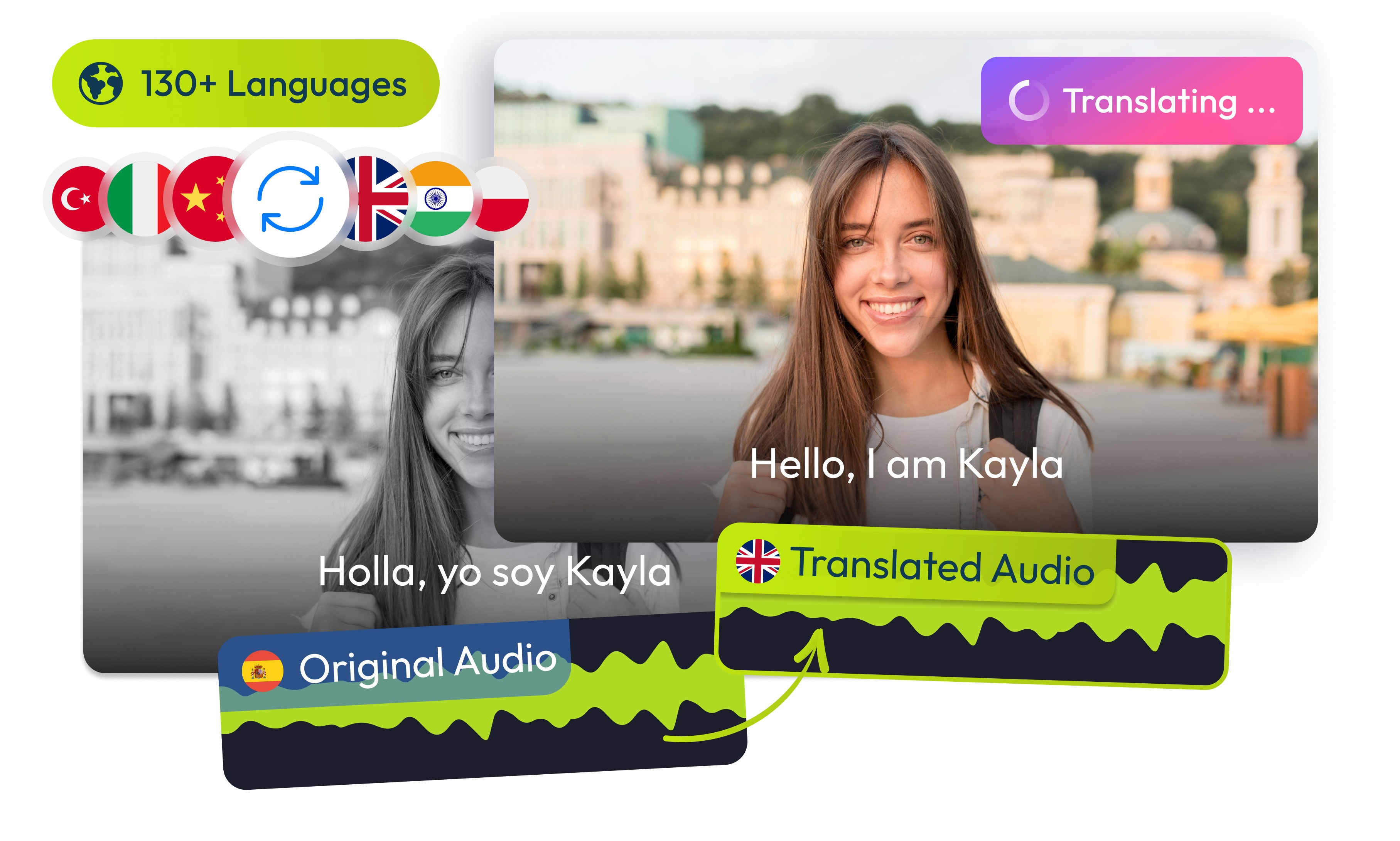
The images above illustrate common cinematic characteristics associated with Vidu Q3-style outputs, including lighting, depth, and camera movement. They are shown for conceptual reference.
How Vidu Q3 Works (Conceptual Overview)
While the underlying implementation is complex, the creative logic can be understood in simple terms.
When describing a scene, creators typically convey:
What the scene focuses on
What is happening within the scene
Where the scene takes place
How the camera behaves
What visual style is intended
What kind of sound or atmosphere is present
The model interprets these elements together to generate a cohesive audiovisual result.
Prompt Structure: From Concept to Generation
High-quality prompts play a critical role in shaping the output of AI video models.
Rather than a rigid instruction set, the structure below represents a conceptual way to think about how Vidu Q3 interprets creative intent, which can then be applied directly when generating videos on this site.
Subject + Action + Environment + Camera + Style + Audio
Conceptual Example
A quiet nighttime city street with light rain. Neon reflections on wet pavement. Slow forward camera movement with shallow depth of field. Cinematic lighting. Soft ambient city noise with distant traffic.
When used in the generator, this type of structured intent helps the system understand both what should be seen and what should be heard, leading to more coherent results.
👉 Try creating your own prompt in the Vidu Q3 workspace
Tips for Better Results with Vidu Q3
When generating videos, the following principles often help improve outcomes:
Describe sound as intentionally as visuals
Think in scenes, not single frames
Focus on mood before fine detail
Keep prompts expressive but concise
Common Questions
Is Vidu Q3 a tool or a model?
Vidu Q3 is best understood as an underlying video generation model, now accessible through an interactive generator on this site.
Can I generate videos directly here?
Yes. Visitors can experiment with AI video generation using Vidu Q3 through the available interface.
Does Vidu Q3 generate sound?
Yes. Native audio generation is a defining characteristic of the model.
Is this an official platform?
No. This site is an independent platform focused on providing access, explanation, and experimentation around Vidu Q3.
What This Site Focuses On Next
This site is designed as both a generation experience and a learning hub for Vidu Q3.
Future content will explore:
Prompt patterns and breakdowns
Visual style analysis
Comparisons with other AI video models
Creative workflows and use cases
Curated examples and observations
👉 Return to the Vidu Q3 content and generation hub
Final Thoughts
Vidu Q3 reflects an important transition in AI video generation—from silent visuals toward integrated audiovisual scenes. By treating sound as a first-class component, it opens new creative and conceptual possibilities.
Understanding the model is valuable.
Experiencing it directly is even more powerful.